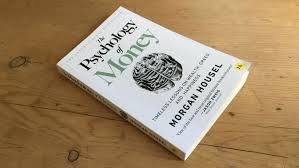
Building wealth isn’t just about earning more or saving diligently — it’s also about how you think about money. Your mindset, habits, and financial behaviors play a huge role in determining whether you achieve financial success or remain stuck in a cycle of stress.
Understanding the psychology of money can help you make smarter decisions, develop better habits, and grow long-term wealth.
Why Mindset Matters More Than Income
Many people assume that earning a high salary automatically leads to wealth. In reality:
- People with modest incomes but disciplined habits often accumulate more wealth than high earners with poor financial habits.
- Your beliefs about money affect your spending, saving, and investing decisions.
- Positive financial habits compound over time, while poor behaviors can drain wealth even with a good income.
In 2025, mastering your financial mindset is just as important as growing your income.
Habit 1: Spend Less Than You Earn
This is the cornerstone of wealth-building. If you consistently spend more than you make, no investment or side hustle will save you.
How to implement this habit:
- Track your monthly income and expenses
- Set a realistic budget allocating money to essentials, savings, and discretionary spending
- Avoid impulse purchases and focus on value-based spending
Even small surpluses, when saved or invested consistently, lead to significant wealth over time.
Habit 2: Prioritize Saving and Investing
Successful wealth builders think of saving and investing as non-negotiable expenses. Treat these like bills you must pay every month.
Tips:
- Automate contributions to savings and investment accounts
- Start with 10–20% of your income, then increase over time
- Diversify investments across stocks, ETFs, real estate, and retirement accounts
The key is consistency — even small amounts grow exponentially through compounding.
Habit 3: Avoid Lifestyle Inflation
As income increases, it’s easy to upgrade lifestyle immediately — bigger house, car, or luxury items. This lifestyle inflation often traps people in a cycle of earning and spending without building wealth.
How to avoid it:
- Keep essential expenses steady as income grows
- Direct extra earnings toward investments, side hustles, or debt repayment
- Celebrate financial milestones without overspending
Maintaining a frugal mindset while earning more accelerates wealth accumulation.
Habit 4: Embrace Long-Term Thinking
Wealth is built over years, not months. Short-term temptations, like impulse spending or chasing risky investments, can hinder long-term success.
Adopt a long-term perspective:
- Focus on retirement accounts, ETFs, and real estate
- Avoid get-rich-quick schemes or speculative investments
- Track financial goals annually, not daily
Patience and consistency are your biggest allies in building sustainable wealth.
Habit 5: Control Emotional Spending
Emotions often drive financial decisions — stress, boredom, or social pressure can lead to overspending. Understanding your triggers is essential.
Strategies:
- Wait 24–48 hours before making non-essential purchases
- Track emotional spending patterns in a journal
- Replace impulse shopping with hobbies or productive activities
Self-awareness about money habits is critical for maintaining financial discipline.
Habit 6: Continuously Educate Yourself
Financial literacy separates those who build wealth from those who don’t. Knowledge about budgeting, investing, taxes, and debt management empowers you to make better decisions.
Ways to educate yourself:
- Read books, blogs, and articles on personal finance
- Follow credible finance experts and YouTube channels
- Take online courses on investing, passive income, or financial planning
In 2025, staying informed ensures you leverage opportunities and avoid costly mistakes.
Habit 7: Surround Yourself with Financially Positive Influences
The people you spend time with impact your financial mindset. Surround yourself with those who:
- Value saving and investing
- Set and achieve financial goals
- Avoid unnecessary debt and impulsive spending
Positive influences motivate you to adopt better habits and stay accountable to your financial goals.
Habit 8: Focus on Value, Not Status
Wealth builders prioritize value over status symbols. Instead of buying expensive items to impress others, they invest in assets that generate income or appreciate over time.
Examples:
- Invest in a rental property instead of a luxury car
- Upgrade skills or education for higher earning potential
- Build side hustles instead of spending on short-term luxuries
This mindset ensures that money works for you, not the other way around.
Final Thoughts
The psychology of money is just as important as the numbers in your bank account. Developing habits like spending less than you earn, investing consistently, avoiding lifestyle inflation, and controlling emotional spending are crucial for long-term wealth.
In 2025, building wealth isn’t just about money — it’s about discipline, mindset, and smart decision-making. Start small, stay consistent, and over time, these habits will compound into financial freedom.
