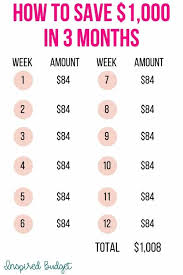
Saving money is one of the smartest financial habits anyone can build — but staying consistent isn’t always easy. That’s where money-saving challenges come in. These challenges turn saving into a fun, goal-driven experience that keeps you motivated and disciplined throughout the year.
Whether you’re looking to build an emergency fund, pay off debt, or simply develop better financial habits, these 10 creative challenges can help you get there faster.
1. The 52-Week Saving Challenge
This is one of the most popular money-saving challenges worldwide. The idea is simple — start small and increase your savings each week.
- In week 1, save $1.
- In week 2, save $2.
- Continue adding one more dollar each week.
By the end of 52 weeks, you’ll have $1,378 saved — without even realizing how easily it added up. You can reverse the order if you prefer to save larger amounts early in the year.
2. The No-Spend Challenge
If impulse spending is your biggest struggle, this challenge will help you reset your habits.
Pick a specific time frame — a week, a month, or even a weekend — and commit to spending money only on essentials like food, rent, and bills.
Avoid online shopping, takeout, and entertainment expenses. It’s an excellent way to discover where your money truly goes and how much you can live without unnecessary spending.
3. The 30-Day Savings Sprint
In this challenge, you save a set amount every day for 30 days.
For example, saving $5 a day adds up to $150 a month.
You can make it fun by adjusting the amount daily — $1 on day one, $2 on day two, and so on. It’s quick, achievable, and helps you build a consistent saving habit within a month.
4. The Spare Change Challenge
Small change can make a big difference. Every time you use cash, put your coins or small bills into a jar.
At the end of the year, count your savings — you’ll be surprised how much it grows.
You can also use digital tools like Acorns or Qapital, which automatically round up your purchases and save the spare change for you.
5. The $5 Bill Challenge
Every time you receive a $5 bill, set it aside instead of spending it.
It’s simple yet effective because you’re not parting with large sums at once, but over time, these small savings add up significantly.
Many people who follow this challenge end up saving hundreds (or even thousands) in a year without feeling restricted.
6. The Subscription Audit Challenge
We all sign up for streaming services, fitness apps, or memberships — and forget to cancel them.
Spend one weekend reviewing all your recurring subscriptions and remove anything you don’t use regularly.
Redirect that money into a savings account. Even canceling three $10 subscriptions can save you $360 a year.
7. The Meal Prep Challenge
Eating out can drain your wallet faster than you think. For one month, try cooking at home and preparing your meals in advance.
Not only will you save money, but you’ll also eat healthier and waste less food.
Compare your monthly food expenses before and after — the results will motivate you to continue.
8. The Envelope Budget Challenge
This old-school method is still one of the most effective saving systems.
Withdraw your weekly budget in cash and divide it into labeled envelopes like groceries, transport, entertainment, and savings.
Once the envelope is empty, you stop spending in that category. It teaches discipline and helps you visualize your spending better than using cards.
9. The Energy-Saving Challenge
Your utility bills can be another place to save.
For one month, focus on reducing energy usage — turn off lights when not needed, unplug electronics, and use energy-efficient appliances.
The money saved on bills can go directly into your emergency fund. Small adjustments in daily habits can create long-term savings.
10. The Digital Detox Challenge
This one is both financial and mental. Spend a weekend or a week without online shopping, social media ads, or “scroll-and-buy” temptations.
You’ll find yourself making more intentional spending choices and saving naturally.
Use that time to focus on hobbies that don’t cost money — reading, walking, or journaling.
Tips to Make Any Challenge Work
- Set a clear goal: Know what you’re saving for — a vacation, emergency fund, or debt repayment.
- Track your progress: Use a savings tracker or app to stay motivated.
- Reward yourself: Celebrate small milestones (without overspending).
- Stay flexible: Adjust amounts or time frames based on your income and comfort level.
Final Thoughts
Money-saving challenges make financial discipline enjoyable and achievable. They transform the often “boring” task of saving into something engaging and goal-oriented.
Whether you start with a 30-day sprint or commit to the full 52-week challenge, remember — consistency matters more than the amount. Every small step today brings you closer to financial freedom tomorrow.
So pick your favorite challenge and start today. Your future self will thank you.
